Dyson Airwrap: 7 Reasons It’s Worth the Hype
Few hair tools generate as much ongoing buzz as the Dyson Airwrap, and it’s not purely marketing. The styler uses air pressure rather than extreme heat plates to curl, wave, and smooth hair, which is a genuinely different approach from a traditional curling iron or flat iron. That difference is exactly why it keeps showing up in “best hair styler” searches years after its original launch.
This guide covers how the Airwrap actually works, the attachments worth knowing, and how to decide whether it fits your hair type and styling routine. It’s especially useful if you’re comparing it against a traditional curling wand or straightener, since the underlying technology and the learning curve that comes with it is genuinely different enough to warrant a closer look before buying.
Table of Contents
- How the Dyson Airwrap Actually Works
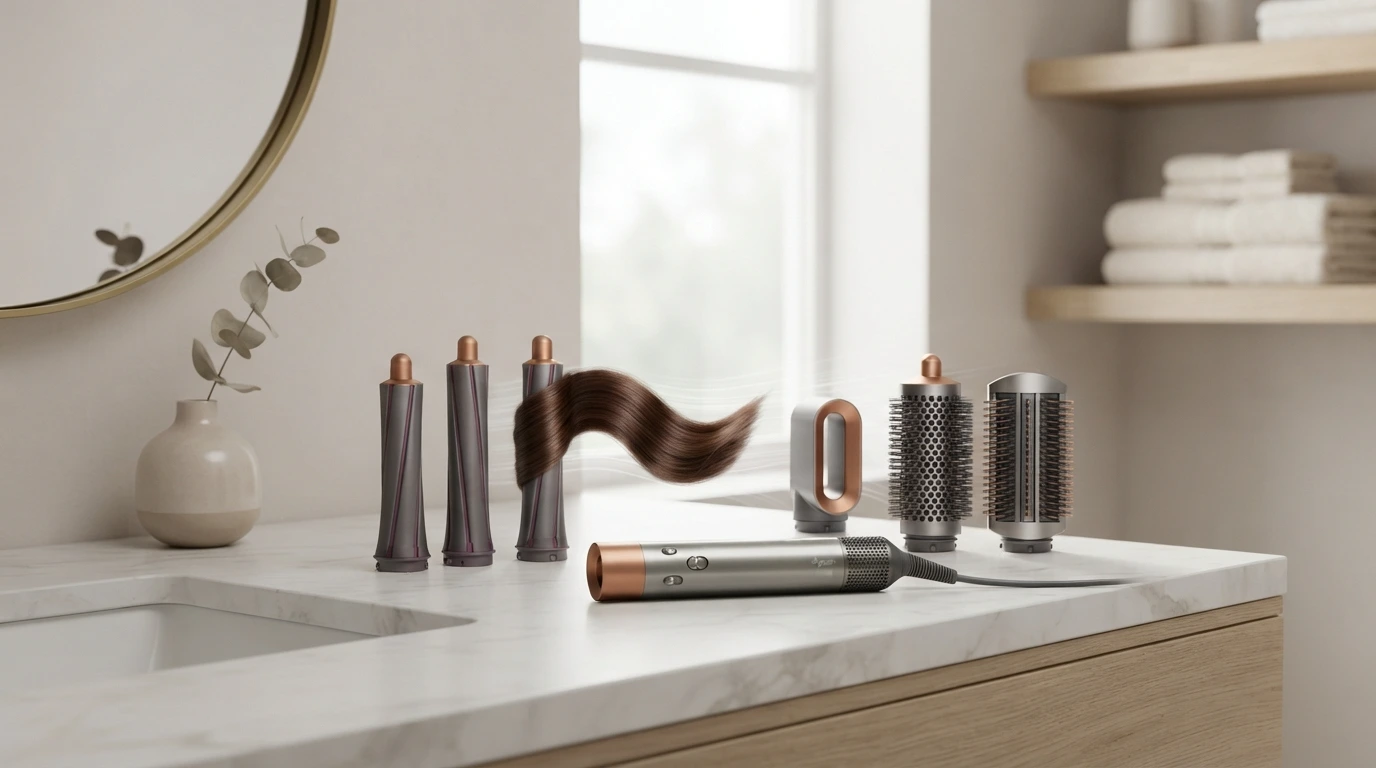
- Common Attachments and What They Do
- Features Worth Prioritizing
- Matching the Airwrap to Your Hair Type
How the Dyson Airwrap Actually Works
The Airwrap’s core technology relies on the Coanda effect, a principle of fluid dynamics where air naturally follows a curved surface. In practice, that means the barrel doesn’t need to grip and heat your hair the way a traditional curling iron does; instead, controlled airflow wraps hair around the barrel automatically.
A few qualities that set this approach apart:
- Heat-controlled styling, since the tool regulates air temperature to avoid the extreme heat levels associated with hair damage on traditional stylers.
- Simultaneous drying and styling, which can shorten the overall routine compared to fully drying hair first and then styling separately.
- Multiple attachment options, letting one tool handle curls, waves, smoothing, and volumizing rather than owning several separate devices.
- A cordless-adjacent design in newer generations, with some versions reducing cord bulk during styling for more freedom of movement.
This combination is a big part of why the Airwrap remains a frequently recommended upgrade for people replacing multiple older heat tools with one device.
Common Attachments and What They Do
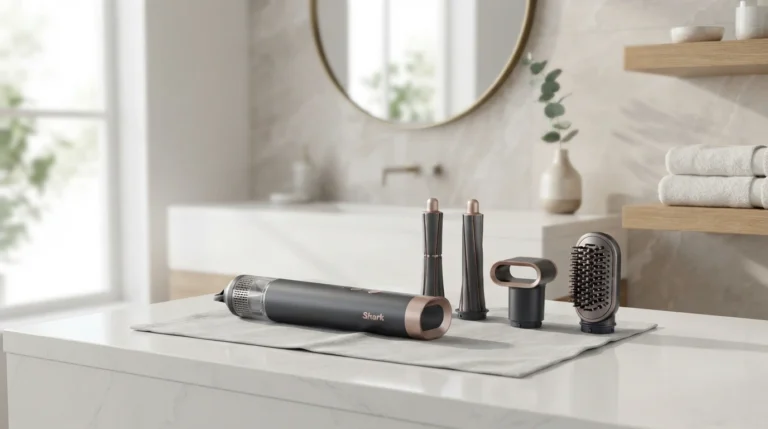
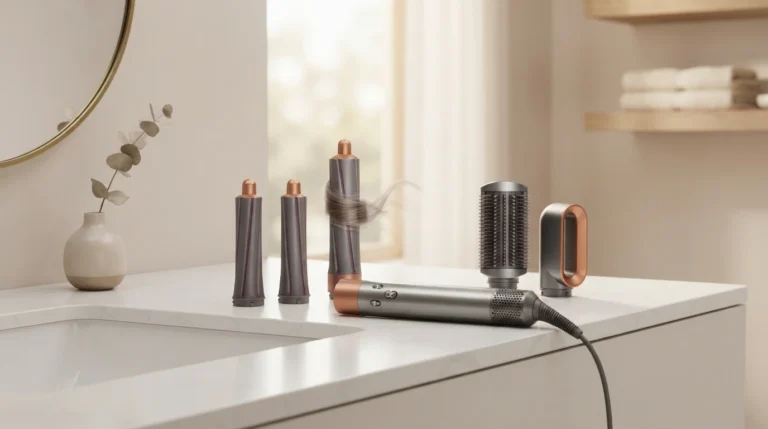
The Airwrap ships with a curated set of attachments, and knowing what each does makes a real difference in whether you use the tool to its full potential.
- Curling barrels create classic curls, with barrel direction determining curl orientation for a more natural, non-uniform look.
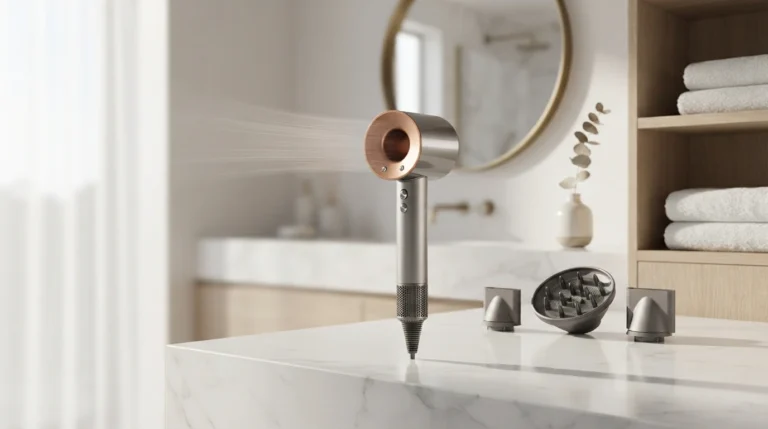
- The coanda smoothing dryer focuses on smoothing hair while drying, useful as a first step before deeper styling.
- Round volumizing brushes add lift at the roots, which flatter fine or thin hair types especially.
- Firm smoothing brushes work well for finishing frizz-prone or coarse hair after the main styling step.
Learning which attachments suit your hair length and texture matters more than trying to use every attachment every time — most routines settle into just two or three go-to pieces.
Features Worth Prioritizing
A few specific details are worth checking closely when comparing Airwrap generations or deciding if it’s the right buy:
- Barrel size options, since some versions offer multiple barrel diameters suited to different hair lengths and curl preferences.
- Attachment compatibility across generations, since not all attachments are interchangeable between older and newer Airwrap models.
- Heat settings and airflow control, which affect both styling result and how gentle the process is on hair over repeated use.
- Storage case inclusion, a small but genuinely useful detail for keeping several small attachments organized rather than loose in a drawer.
- Filtration and airflow consistency, since Dyson markets the Airwrap’s motor as delivering filtered, high-velocity air, which affects both drying speed and styling consistency over repeated use.
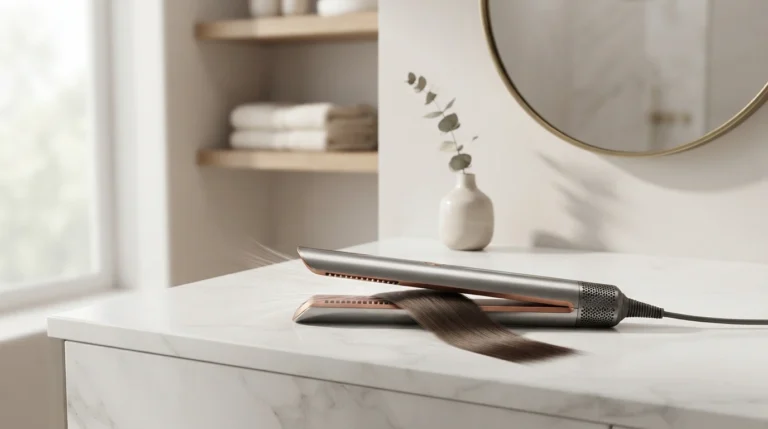
If you’re also considering a straightening tool from the same lineup, our Dyson Airstrait Guide covers how that airflow-based straightener compares to the Airwrap’s curling and volumizing approach.
Matching the Airwrap to Your Hair Type
The right way to use or even buy an Airwrap really depends on your hair length, texture, and typical styling goals.
- Fine or thin hair: Volumizing round brushes tend to deliver the most noticeable, flattering results without weighing hair down.
- Thick or coarse hair: Curling barrels combined with smoothing attachments generally produce more defined, longer-lasting results.
- Very long hair: Longer barrel options are worth prioritizing, since standard barrels can sometimes struggle to fully wrap significantly longer lengths.
- Frizz-prone hair: Starting with the smoothing dryer before moving to a curling or smoothing attachment tends to produce a cleaner overall finish.
Being realistic about your hair’s actual texture and length rather than assuming every attachment will work equally well leads to a much better experience with the tool.
Frequently Asked Questions
Is the Dyson Airwrap worth the price?
For people who currently use multiple separate heat tools, replacing them with one versatile styler can be worth it, though it’s a genuine investment worth weighing against your actual styling frequency.
Does the Dyson Airwrap damage hair like a curling iron?
It’s generally designed to use more controlled, lower heat levels than a traditional curling iron, though any heat styling carries some risk with very frequent use.
Can the Dyson Airwrap be used on wet hair?
Yes, part of its appeal is styling damp hair directly, which can shorten a routine that would otherwise require fully drying hair first.
Are all Airwrap attachments interchangeable between models?
Not always attachment compatibility can vary between generations, so it’s worth confirming compatibility before buying attachments separately.
How long does it take to learn to use the Airwrap well?
Most users report a learning curve of a few uses before achieving consistent results, particularly with the curling barrels.
Conclusion
The Dyson Airwrap earns its reputation by rethinking how a styling tool interacts with hair using controlled airflow instead of relying purely on heat and mechanical pressure. Matching the right attachments to your specific hair type and being patient through an initial learning curve is what actually determines whether the investment pays off long-term, rather than expecting salon-level results from the very first try.