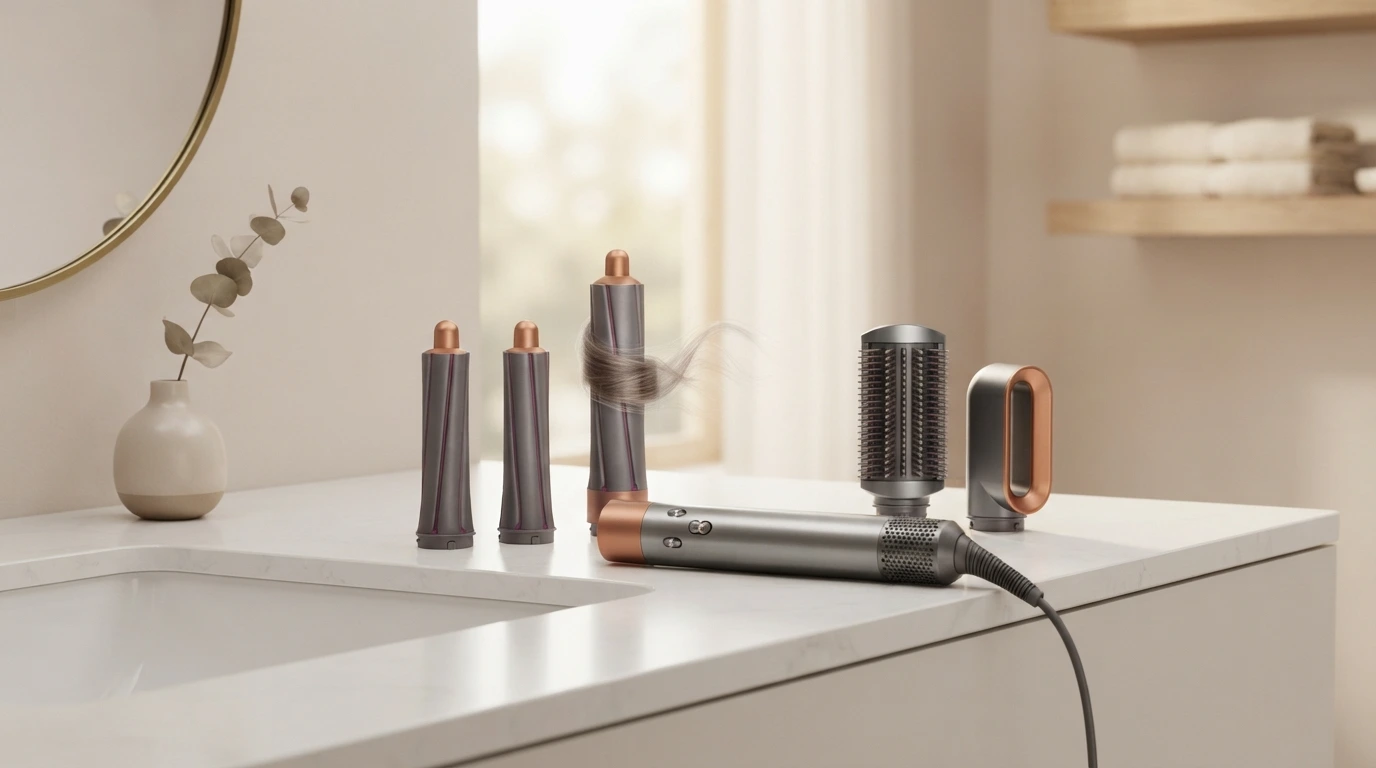
Dyson Air Wrap: 7 Features Worth Knowing
The Dyson Air Wrap approaches hair styling from a genuinely different angle than a traditional dryer or curling iron, using airflow itself, rather than direct extreme heat, to curl, smooth, and shape hair. That core difference in technology is what tends to draw people to it despite the higher price point compared to conventional styling tools.
This guide covers how the underlying technology generally works, the attachment system, and a few safety and technique tips worth knowing before your first styling session.
Table of Contents
- How the Coanda Airflow Technology Works
- Understanding the Attachment System
- Getting the Most From Each Attachment
- Styling Tool Safety Habits Worth Knowing
How the Coanda Airflow Technology Works
The defining feature of the Air Wrap is its reliance on the Coanda effect, a fluid dynamics principle where a fast-moving stream of air follows the curve of a nearby surface rather than traveling in a straight line.
- Air is drawn around the barrel, wrapping hair around the attachment automatically rather than requiring you to manually wind hair around a hot barrel.
- Lower direct heat exposure compared to traditional curling irons, since styling relies more on airflow and controlled heat than sustained direct contact with a very hot surface.
- Simultaneous drying and styling, allowing damp hair to be dried and shaped in fewer overall steps than a separate dry-then-style routine.
- Reduced risk of certain heat damage patterns, since hair isn’t clamped against a single very hot surface for an extended period the way it might be with a traditional iron.
This airflow-based approach is part of why the Air Wrap tends to get recommended specifically for people concerned about heat damage from more traditional styling tools.
Understanding the Dyson Air Wrap Attachment System
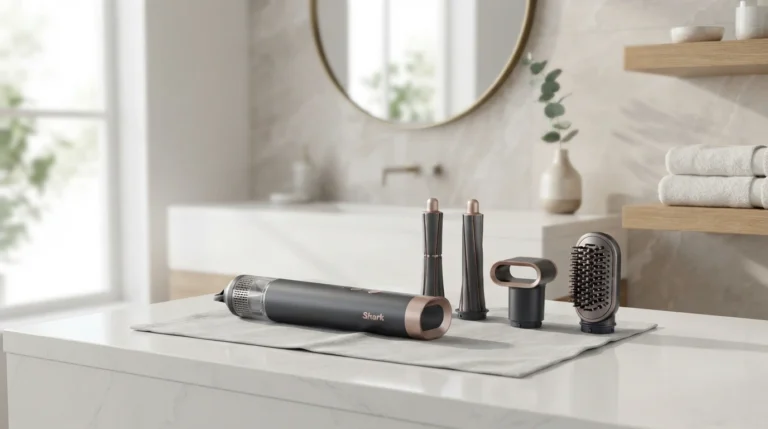
Like other multi-function styling tools, the Air Wrap’s value comes largely from its range of interchangeable attachments, each designed for a specific styling outcome.
- Barrel attachments in different sizes create curls or waves of varying tightness, with attachment size directly affecting curl diameter.
- Smoothing brush attachments focus on straightening and smoothing rather than curling, useful for a sleeker finished look.
- Pre-styling dryer attachments focus purely on drying hair before you move to a curling or smoothing attachment, useful as a first step for very wet hair.
- Attachments generally click or twist into place, with a consistent connection mechanism across the attachment range for that specific model generation.
Getting the Most From Each Attachment
A few technique habits help you get more consistent, salon-like results from an airflow-based styling tool.
- Start with hair that’s damp, not dripping, since the device is generally designed to finish drying hair during the styling process rather than handle fully soaked hair from the start.
- Work in smaller sections, particularly with barrel attachments, since smaller sections tend to produce more defined, even curls than larger, uneven sections.
- Hold the attachment in place briefly once hair wraps around it, allowing the airflow and gentle heat to set the shape before releasing.
- Let curls cool before touching or brushing them, since hair holds its shape better once it’s had a moment to cool from the styling temperature.
If you’re also interested in a more traditional dedicated dryer for everyday use alongside a styling tool like this, comparing wattage and airflow features across brands can help you decide whether you need both a dedicated dryer and a multi-styler, or whether one tool can reasonably cover both roles in your routine.
Styling Tool Safety Habits Worth Knowing
Handheld electric styling tools carry some inherent risk from heat and electrical components, and a few safety habits are worth building into your routine regardless of brand or price point.
- Keep styling tools away from water, including sinks full of water, since electrocution risk exists with any electrical device used near water.
- Check the cord and attachments for damage periodically, discontinuing use if you notice fraying, exposed wiring, or a loose connection at the attachment point.
- Never leave a heated styling tool unattended while powered on, even briefly, since resting a heated attachment on a flammable surface poses a fire risk.
- Store attachments properly between uses, keeping barrel and brush attachments clean and protected to maintain both performance and longevity.
It’s also worth staying generally aware of safety notices across the hair styling tool category. In 2026, the U.S. Consumer Product Safety Commission warned consumers to stop using certain hair dryer brushes that lacked required immersion protection, a feature designed to prevent electrocution if a device contacts water. That specific warning applied to different brands, but it’s a useful reminder to keep any styling tool, regardless of manufacturer, away from water and to confirm your specific device includes proper safety certifications.
Frequently Asked Questions
Is the Dyson Air Wrap safer for hair than a traditional curling iron?
Many users and stylists consider it gentler on hair since it relies more on airflow and controlled heat rather than sustained contact with an extremely hot barrel, though all heat styling carries some risk of damage with frequent use.
Can the Air Wrap be used on very short hair?
Shorter hair can be styled with certain attachments, though very short hair may not wrap around larger barrel attachments as effectively as longer hair.
How do I know which barrel size to use?
Larger barrels generally produce looser waves, while smaller barrels create tighter, more defined curls, so the right choice depends on your desired finished look.
Does the Air Wrap work on all hair types?
It’s designed to work across a range of hair types and textures, though very fine or very coarse hair may require some experimentation with heat settings and attachment choice for best results.
How often should I clean the attachments?
Regular cleaning, removing hair and product buildup from barrels and brushes, helps maintain both styling performance and the attachment’s longevity over time.
Conclusion
The Dyson Air Wrap offers a genuinely different approach to hair styling, using controlled airflow rather than sustained direct heat to curl, smooth, and dry hair in fewer steps than a traditional routine. Understanding the Coanda effect and how each attachment is designed to work helps you get more consistent, salon-quality results. As with any heated electrical styling tool, keeping it away from water and following basic cord and attachment safety habits will keep your styling routine both effective and safe.