Clorox Wipes: A Practical Guide to Everyday Cleaning and Disinfecting
Introduction
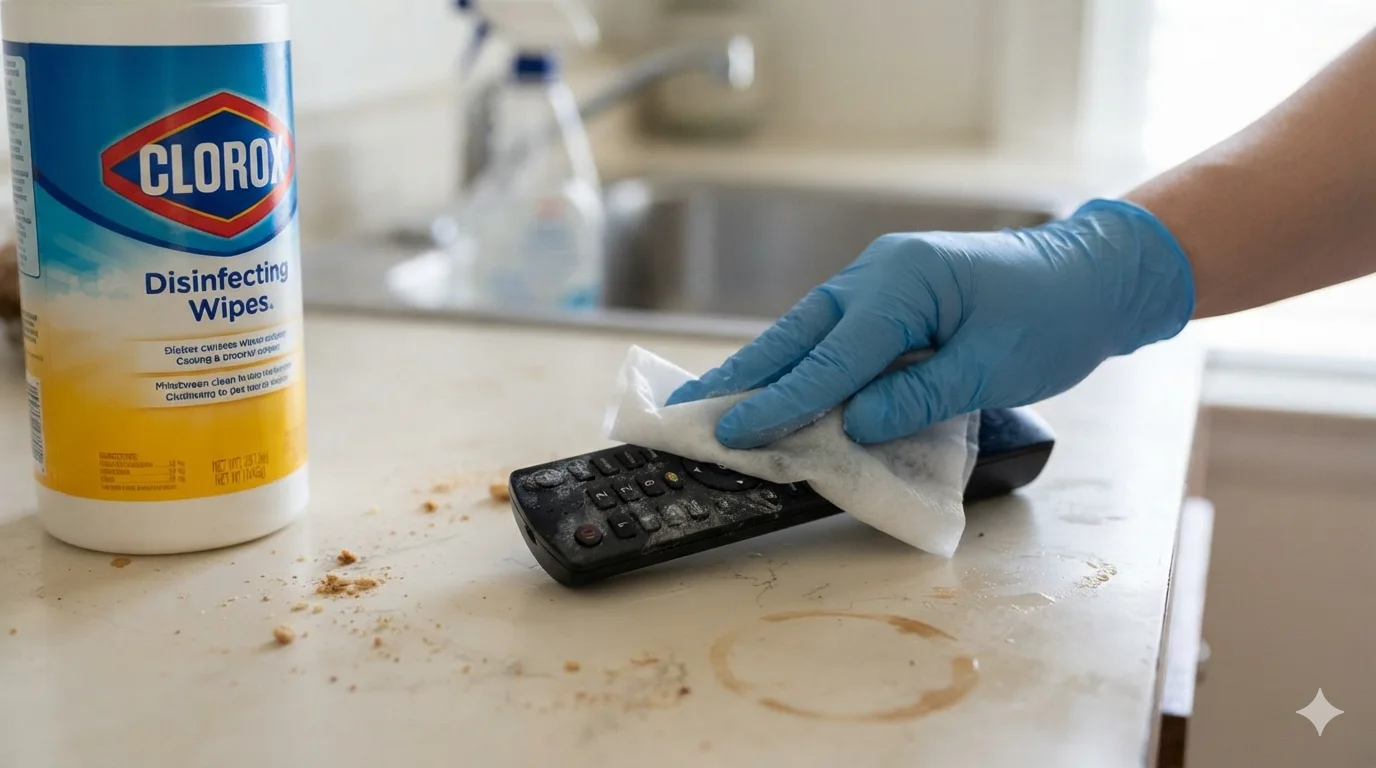
A member of family flu, kitchen counter has remnants of last night’s meal there, while remote control has not been cleaned since. well, since no one can remember. This often is time when people resort to their Clorox wipes rather than a spray bottle a rag. They are designed for speedy in-between clean.
What Clorox Wipes Are
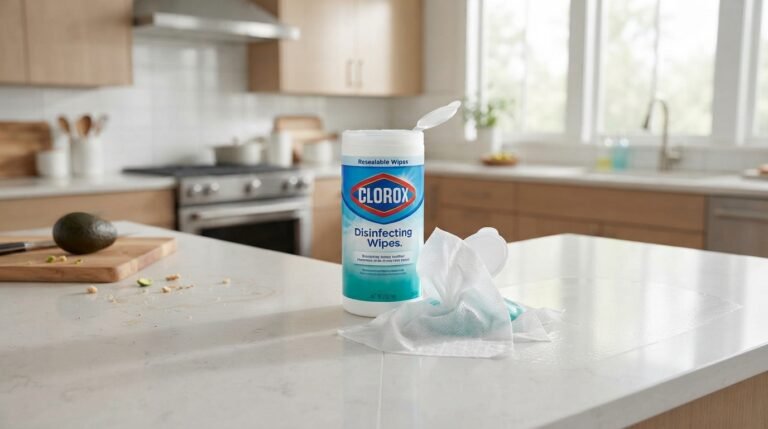
Clorox wipes are moistened disposable wipes sold to clean disinfect (some) household surfaces. They are available in a canister or a resealable pouch that can be easily removed used without having to mix a solution or pick up a separate cloth.
How Clorox Wipes Work
As you wipe, solution wipes removes dirt, grease grime from surface. Some are also made to be a disinfectant, which means they are designed to kill specific germs on a surface when applied as directed by label.
Common Household Uses
These wipes are usually used on:
- Clean kitchen counters following meal prep.
- Sink counter tops in bathrooms.
- Doorknobs light switches.
- Shared work surfaces desks
- Conveniently placed remote controls, etc. that are often used.
Surfaces That May Be Suitable for Use
Disinfecting wipes are frequently used to clean hard, non-porous surfaces, but not all surfaces are suitable. Moisture or cleaning solution may cause damage to delicate, unfinished surfaces or to porous surfaces.
Difference Between Cleaning Disinfecting
Cleaning will get rid of dirt some germs off a surface. Disinfecting is a more targeted process surface must be visibly moist disinfectant for a specific period of time (surface contact time) specified on label. A wipe that dries quickly but doesn’t disinfect may simply clean a surface not be used for addressing germs.
How to Use Disinfecting Wipes Correctly
Step 1: Remove visible dirt when necessary. Heavily soiled surfaces may need first pass clear away debris before disinfecting effective.
Step 2: Take out a fresh wipe. Using a wipe that’s already dried out reduces how well it can clean or disinfect.
Step 3: Wipe surface thoroughly. Cover entire area you intend to clean, not just most visibly dirty spot.
Step 4: Keep surface visibly wet for required label contact time when disinfection is intended. This step is easy to skip but is central to whether disinfecting actually happens.
Step 5: Allow surface to dry as directed. Wiping it dry too early can interrupt process described on label.
Step 6: Dispose of used wipe properly. Most wipes aren’t meant flushed, check packaging for disposal guidance.
Benefits of Using Cleaning Wipes
- Mixing measuring a cleaning solution is not allowed.
- Easy to clean on high touch surfaces when needed
- Simple to store in a kitchen, bathroom, or entry to home.
- Individually disposable – helps to prevent dirt transfer between surfaces
Limitations of Disposable Wipes
- May not be applicable to all surfaces or materials
- Ongoing Cost vs reusable cloth spray
- Contact time is crucial to effective disinfecting easy to rush.
- Do not use as a replacement to thorough washing of heavily soiled surfaces.
How Often They Can Be Useful for Everyday Cleaning
Wipes usually simple, no-frills solution clean up everyday items, like counters after cooking, sink after a deep cleaning, desk before someone else touches it. If deep cleanings not required often, comprehensive cleaning might be a better choice that requires several steps.
Important Safety Precautions
Do not use disinfecting wipes together bleach, ammonia, acids or other cleaners products react create hazardous situations. Avoid giving wipes to children, avoid sensitive skin prolonged exposure to wipes, if possible, use in well-ventilated areas in accordance with label precautions.
Proper Storage Disposal
Ensure wipes not dry out keeping canister pouch closed between uses. Keep them out of direct heat dispose used wipes trash (not a toilet or sink) unless label says otherwise.
When Another Cleaning Method May Be Better
Ensure wipes dry out by keeping canister pouch closed between uses. Keep them out of direct heat dispose of used wipes trash bin (not in a toilet or sink) unless label says otherwise.
Practical Tips for Getting Better Results
A surface that is visibly wet for entire contact time using enough wipes (more than one) will generally achieve more consistent results than just using one wipe. Using a wipe-movement in one direction instead of back-and-forth can further prevent contamination from being spread again over surface that has already been swept.
Comparing Cleaning Options
| Cleaning Option | Best For | Main Advantage | Important Consideration |
| Clorox Wipes | Quick surface cleaning/disinfecting | Convenient ready to use | Follow label directions |
| Spray Disinfectant | Larger surfaces | Flexible application | Requires a cloth or paper towel |
| Soap Water | Removing dirt | Simple inexpensive | May not provide the same disinfecting use |
| Reusable Cloth | General cleaning | Can be washed reused | Needs regular washing |
Conclusion
Clorox wipes provide a convenient cleaning solution for everyday surfaces touched in home, on certain products, for disinfecting. To get real value from them, first read label on your specific product, ensure that surface is compatible, adhere to specified contact time or product will be of no use.
When used as part of a comprehensive cleaning strategy for more significant tasks, Clorox wipes may be a handy component in home cleaning program.