Lysol Spray: Uses, Benefits, How to Use It Safely & More
Learn what Lysol spray is, how to use it safely, what surfaces it can clean, and the difference between disinfecting and everyday surface cleaning.
Lysol Spray: Uses, Benefits, Safety Tips, and How to Use It
Introduction
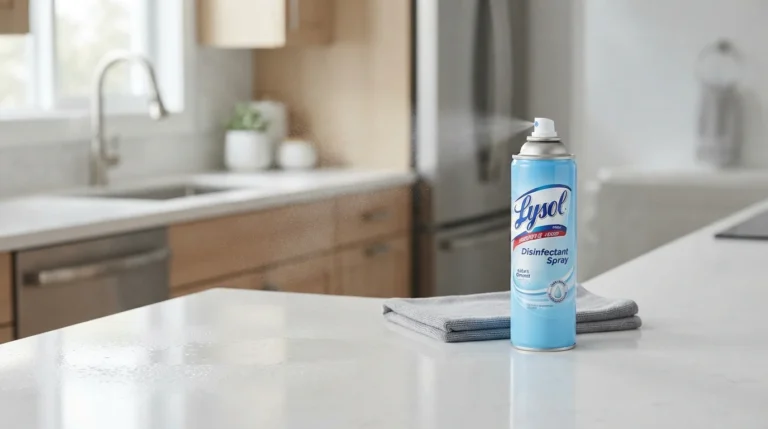
Keeping the surfaces you touch every day clean is a big part of keeping your home healthy. Wiping with soap and water gets rid of dirt, but it doesn’t always deal with germs. That’s where Lysol Disinfectant Lysol spray comes in. It’s made to help kill certain viruses and bacteria on surfaces when you use it exactly how the label says.
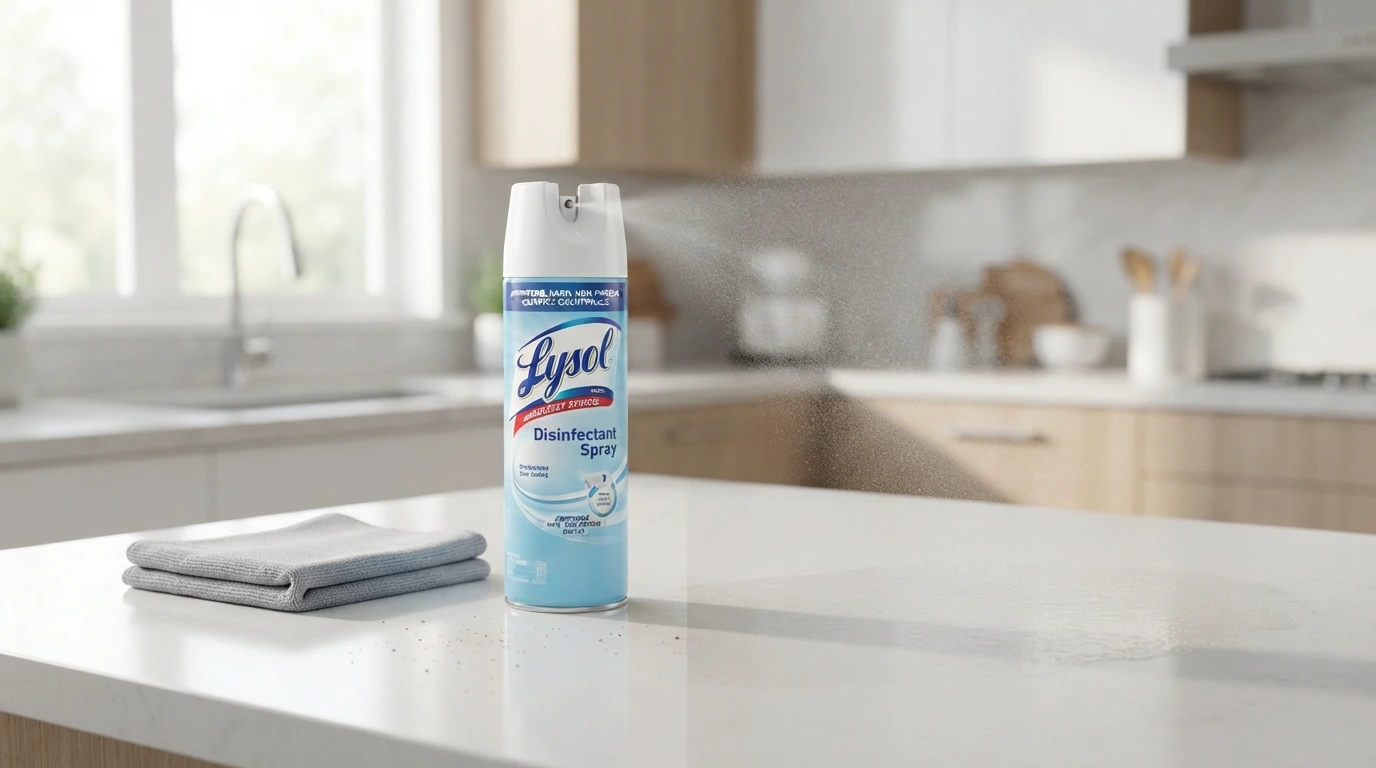
What Is Lysol Disinfectant Spray?
Disinfecting uses a product made to kill specific microorganisms, and it only works if you follow the directions on the can.
Where Can You Use Lysol Disinfectant Spray?
People like it because it works in a lot of places around the home. But always check your specific can, because not every formula is the same.
Kitchen Surfaces
You can use it on things like sinks, garbage cans, and the outside of the fridge. For food-contact surfaces, you need to be extra careful. Lysol says to rinse those surfaces with drinking water after disinfecting.
Bathroom Areas
Bathrooms have a lot of high-touch spots. Depending on the label, you can use it on bathtubs, showers, toilet seats, and other hard, non-porous surfaces. Check the label before using it on any specific material.
Frequently Touched Household Surfaces
Lysol lists uses like door knobs, telephones, diaper pails, couches, sofas, mattresses, and pet beds. Again, your can’s label is the final word on what’s approved.
Lysol Disinfectant Spray vs. Regular Cleaning
They do two different jobs.
Cleaning
removes dirt and grime. You can do it with soap and water. It’s usually the step you do first.
Disinfecting
targets specific germs. It uses a registered disinfectant and usually needs a set contact time.
A good routine is: clean first if the surface is dirty, then disinfect if you need to reduce germs. That’s why Lysol’s directions start with “pre-clean the surface.”
How to Use Lysol Disinfectant Spray Properly
Using it correctly is what makes it effective.
1. Clean the Surface First
Wipe away dirt, food, grease, or anything else.surfaces that are already clean and neat disinfectant work for them best in time
2. Hold the Can at the Recommended Distance
When you see the reference cited directions for Lysol spray hold the spray at least 3-4 inches away from the distance
3. Apply Enough Product
Spray until the surface is covered with mist. The directions say about 3–4 seconds of Lysol spray.
4. Allow the Required Contact Time
Don’t wipe it right away. For disinfecting, let it stay wet for 3 minutes. For sanitizing, the things wait for atleats 10 seconds.
5. Let the Surface Dry
After the contact time, let it air dry unless the label says to do something different.
Surfaces You Should Avoid
Don’t assume it’s safe for everything. Lysol says not to use this spray on brass, copper, aluminum, painted wood, leather, rayon, silk, satin, and acrylic plastics.
Formulas can be different, so always read your label. If you are using it on fabric and the label says it’s okay, test a small hidden spot first to check for discoloration or damage.
Important Safety Tips for Lysol Disinfectant Spray
Disinfectants are useful but they’re chemicals. More isn’t better.
Follow the label instructions. Keep it away from kids. Don’t Lysol spray it on your body. Don’t use it on food. Don’t inhale the spray on purpose. Use it with ventilation if needed. Keep the aerosol can away from heat, sparks, and flames. And never mix it with other cleaners unless the label specifically says you can. Lysol’s own FAQ says not to use it on the body or food and to always follow directions.
Can You Use Lysol Disinfectant Spray on Soft Surfaces?
Some Lysol Disinfectant Sprays are labeled for soft surfaces like upholstery, couches, mattresses, and pet beds.
But not all fabrics are okay. Lysol spray specifically says not to use it on leather, rayon, silk, and satin. And you should always test in a hidden area first. Don’t assume that because it works on one fabric it works on all of them.
Lysol Disinfectant Spray for Everyday Home Hygiene
You don’t need to disinfect your whole house every day. Focus on the places that get touched a lot or need extra attention.
Good candidates are door handles, bathroom surfaces, kitchen sinks, other high-touch spots, and garbage cans. How often you do it depends on your household and what’s going on. Cleaning is still the foundation. Disinfect when it makes sense.
Common Mistakes to Avoid
Wiping too quickly is the biggest one. If it needs 3 minutes to stay wet, wiping after 10 seconds won’t work.
Using it on the wrong material can damage things. Don’t spray it directly on food. And don’t ignore the label. Different Lysol spray products can have different rules, so use the directions on your can.
Frequently Asked Questions About Lysol Disinfectant Spray
Is Lysol Disinfectant Spray effective?
Lysol spray states that its disinfectant sprays kill 99.9% of viruses and bacteria when used as directed. The specific germs and contact time depend on the product.
How long should Lysol Disinfectant Spray stay wet?
For the cited directions, 3 minutes for disinfecting and 10 seconds for sanitizing.
Can you spray Lysol on food?
No. Lysol spray says not to use it on food. For food-contact surfaces, follow the label which often includes rinsing after.
Can Lysol Disinfectant Spray be used on fabric?
Some products are approved for certain soft surfaces like upholstery and bedding. But leather, rayon, silk, and satin are not recommended. Check the label.
Can Lysol Disinfectant Spray be used on pets?
Don’t Lysol spray spray it directly on animals. Some products can be used around pet areas, but remove the pet during application and only let them back after it’s fully dry, per the label.
Does Lysol spray Disinfectant Spray replace cleaning?
No. Cleaning and disinfecting are different. Remove visible dirt first if the directions call for pre-cleaning.
No cleaning and disinfecting are something else they are different firstly remove visible dirt thats shown than after that call food directions pre cleaning
Final Thoughts
Lysol spray can be a useful tool for home hygiene when you use it correctly. It’s made for specific surfaces and specific germs, and it only works if you follow the directions for coverage and contact time.
The simplest approach: clean when needed, spray only on approved surfaces, let it stay wet for the full time, and read the label every time you try it on something new. That way you get the benefit without damaging surfaces or using it the wrong way.