
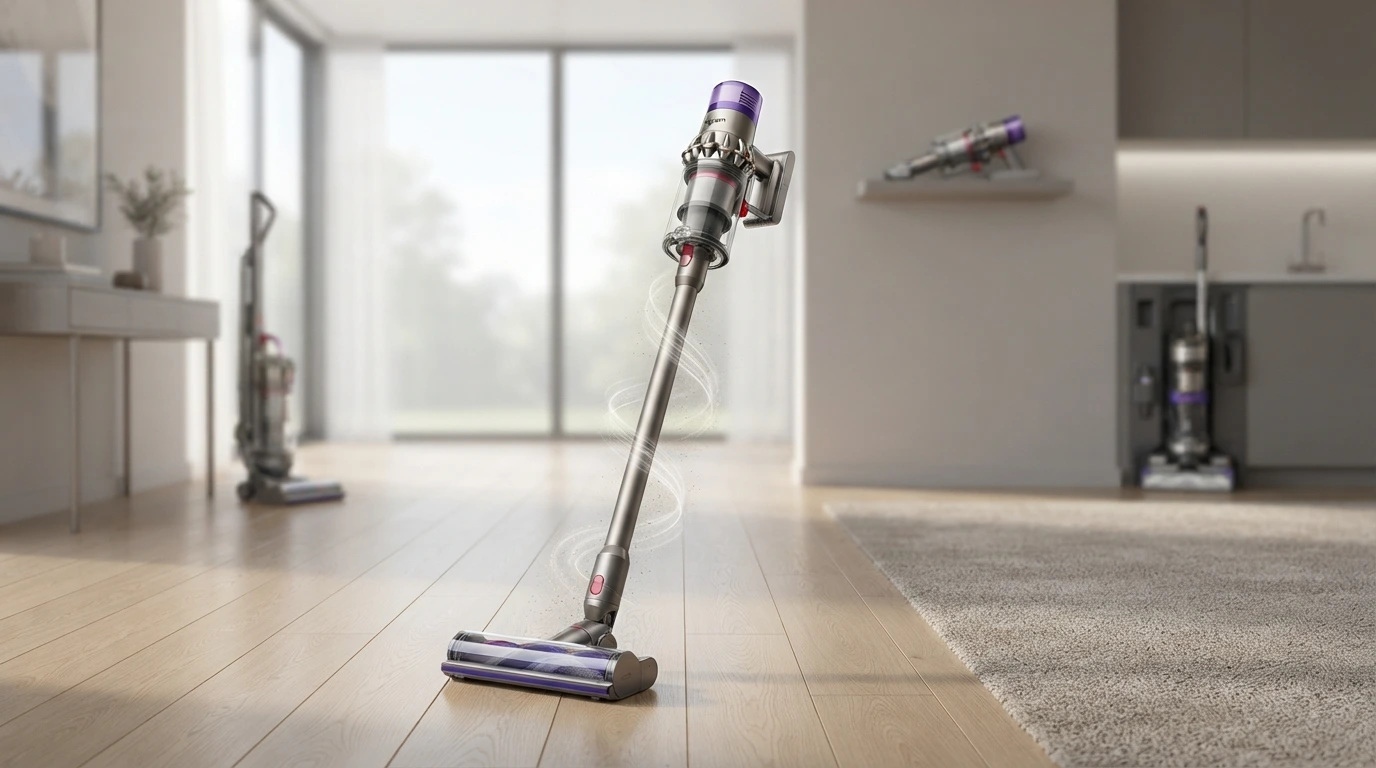
Dyson Vacuum Guide: 7 Things to Know Before Buying
Dyson built its entire brand identity around one product category, and the vacuum lineup still anchors the company’s reputation for engineering-driven design. The brand’s cyclone technology, developed specifically to avoid the suction loss that plagues traditional bagged vacuums, remains the foundation for nearly everything in the current catalog.
This guide covers what generally sets a Dyson vacuum apart, the main categories worth knowing, and how to decide which type actually fits your home. With so many form factors now under the Dyson name, it’s worth understanding the differences upfront rather than assuming every model serves the same purpose equally well.
Table of Contents
- What Sets a Dyson Vacuum Apart
- Common Dyson Vacuum Categories
- Features Worth Prioritizing
- Matching a Dyson Vacuum to Your Home
What Sets a Dyson Vacuum Apart
Dyson’s cyclone technology is the throughline across the entire vacuum lineup, instead of relying on a bag that clogs and reduces suction over time, cyclonic separation spins dust and debris out of the airflow continuously, which is the core engineering claim behind the brand’s reputation.
A few qualities travelers and homeowners commonly associate with Dyson vacuums:
- Strong, consistent suction, powered by digital motors engineered specifically for high-speed, high-efficiency airflow.
- Advanced filtration systems, often designed to capture fine dust and allergens rather than releasing them back into the air.
- A wide range of form factors, spanning cordless stick vacuums, corded uprights, canisters, and wet-cleaning models.
- Bagless, easy-empty bins, reducing ongoing costs compared to vacuums that require replacement bags.
This combination is a big part of why Dyson remains a go-to recommendation in vacuum comparisons, even against far less expensive competitors.
Common Dyson Vacuum Categories
Dyson’s vacuum lineup generally spans a few recognizable categories, each aimed at a different kind of home or cleaning need.
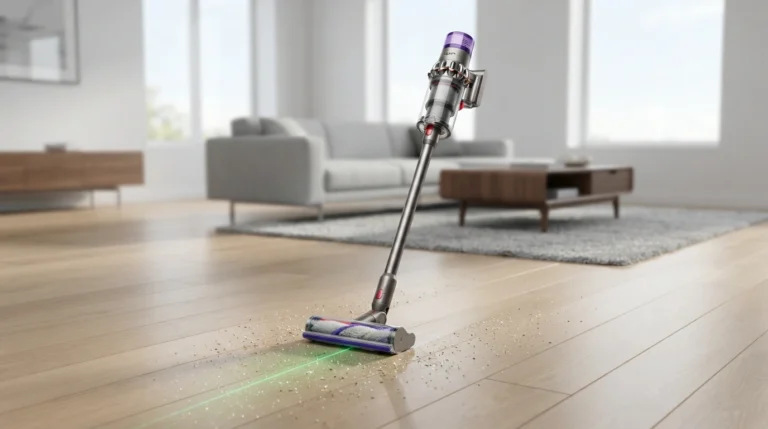
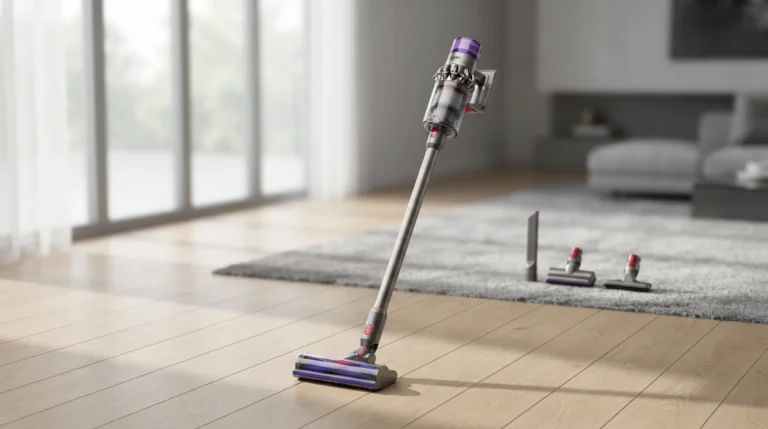
- Cordless stick vacuums prioritize portability and convenience, letting you move between rooms without managing a cord or a separate handheld unit.
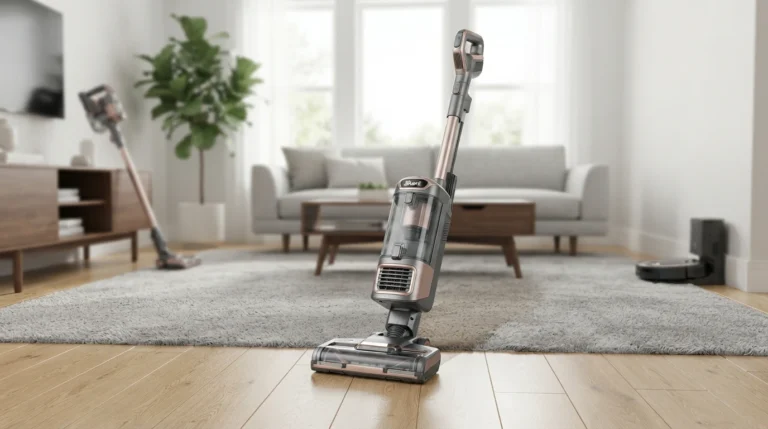
- Corded upright vacuums trade portability for potentially longer continuous run time, useful for larger homes or more demanding cleaning sessions.
- Handheld vacuums are built for quick spot-cleaning tasks like car interiors or small messes rather than whole-home cleaning.
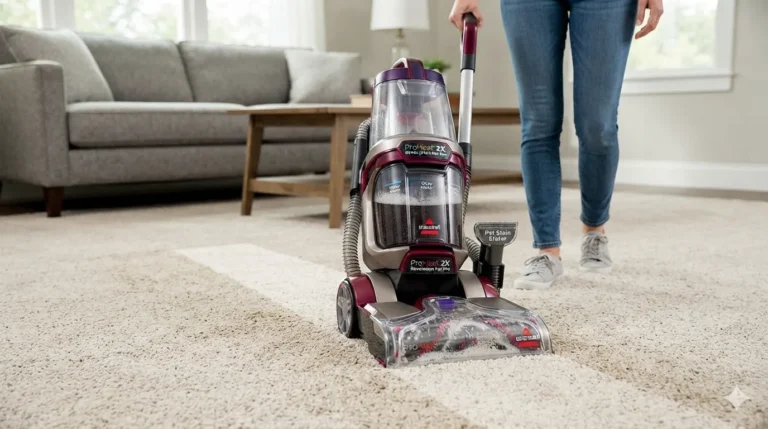
- Wet-cleaning models combine vacuuming and mopping in a single pass, using rotating rollers designed to lift and hydrate dirt from hard floors simultaneously.
Identifying which category matches your home layout and typical mess type narrows the decision considerably before comparing individual models within that category, since even within a single category, capacity and run time can vary meaningfully from one generation to the next.
Features Worth Prioritizing
A handful of specific details are worth checking closely when comparing Dyson vacuum models:
- Filtration quality, particularly relevant for households with allergy sufferers or pets, since sealed filtration systems help keep captured particles from escaping back into the room.
- Bin capacity and emptying mechanism, since hygienic, hands-free bin emptying varies significantly between models and price tiers.
- Attachment compatibility, since specialized tools for upholstery, crevices, or pet hair can make a real difference for specific cleaning needs.
- Weight and maneuverability, especially important for cordless models that will be carried up and down stairs regularly.
- Noise level during operation, since higher-suction motors can be noticeably louder, which matters for households with young children, pets, or shared walls.
If you’re specifically comparing cord-free options, our Dyson Cordless Vacuum Guide covers what to look for in that category in more depth.
Matching a Dyson Vacuum to Your Home
The right Dyson vacuum really depends on your home’s size, floor types, and specific cleaning priorities.
- Small apartment or condo: A cordless stick vacuum offers enough run time and suction for most compact spaces without the bulk of a full-size upright.
- Larger home with multiple floors: A corded upright, or a cordless model with a spare battery, can provide the sustained cleaning power larger spaces need.
- Pet owners: Prioritize models with strong filtration and attachments specifically designed for pet hair pickup on both carpet and upholstery.
- Homes with hard flooring: A wet-cleaning model can combine vacuuming and mopping into a single, more efficient routine.
Being honest about your home’s actual layout and mess type, rather than buying the most expensive model available, tends to lead to a better long-term match. It’s also worth thinking about storage — cordless models generally need a dedicated charging dock or wall mount, while corded uprights and canisters typically need closet space instead.
Frequently Asked Questions
Are Dyson vacuums worth the higher price?
For many households, the combination of strong suction, filtration quality, and durability justifies the cost, though budget-focused shoppers may find sufficient performance in more affordable brands.
Do Dyson vacuums need replacement bags?
No, Dyson vacuums are bagless, using cyclonic separation and an easy-empty bin instead of disposable bags.
How often should Dyson vacuum filters be cleaned?
This varies by model, but most Dyson vacuums include washable filters that manufacturers recommend cleaning periodically checking your specific model’s manual is the safest approach.
Are Dyson vacuums good for pet hair?
Many models include attachments and filtration specifically designed for pet hair and dander, making them a popular choice among pet owners, though it’s worth checking whether a specific model’s brush head is designed to reduce hair wrap-around.
What’s the difference between a Dyson stick vacuum and an upright?
Stick vacuums are cordless and more portable, while uprights are typically corded with potentially longer continuous run time the right choice depends on your home size and cleaning habits.
Conclusion
A Dyson vacuum earns its reputation through consistent engineering choices cyclonic separation, strong filtration, and a range of form factors built around different cleaning needs. Matching the right category and features to your specific home layout, rather than defaulting to the most feature-heavy model, is what actually determines whether the investment pays off in daily use, especially once the novelty of a new vacuum wears off and it becomes part of a regular cleaning routine.
2 Comments