Swiffer Wet Pads: A Simple Guide to Everyday Spot Cleaning
Introduction
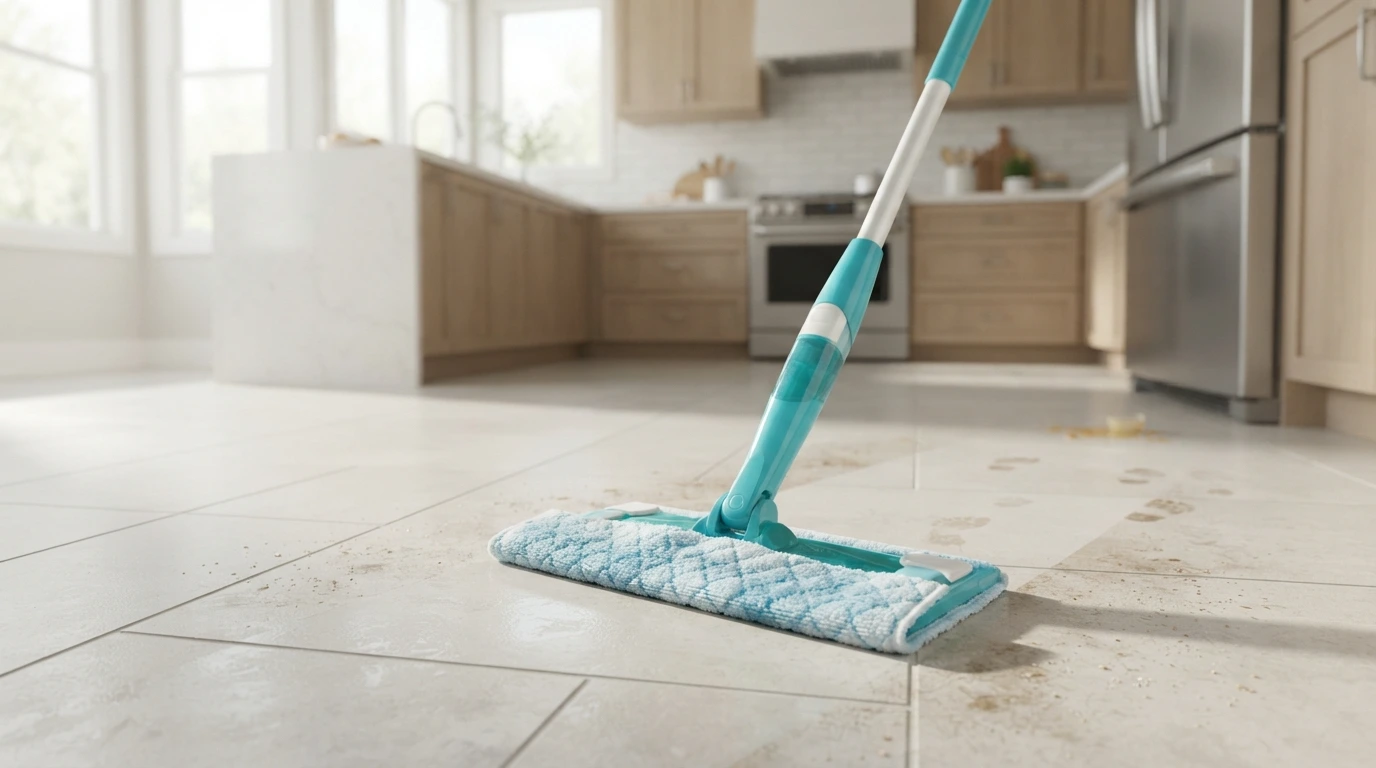
Footprints leading to the entrance. Splashes of juice around the refrigerator. The overall tired appearance of the kitchen floor you begin to see just before your guests. None of these is really a time to go in search of a mop and bucket, which is exactly what a swiffer wet pad is fashioned to deal with.
What Swiffer Wet Pads Are
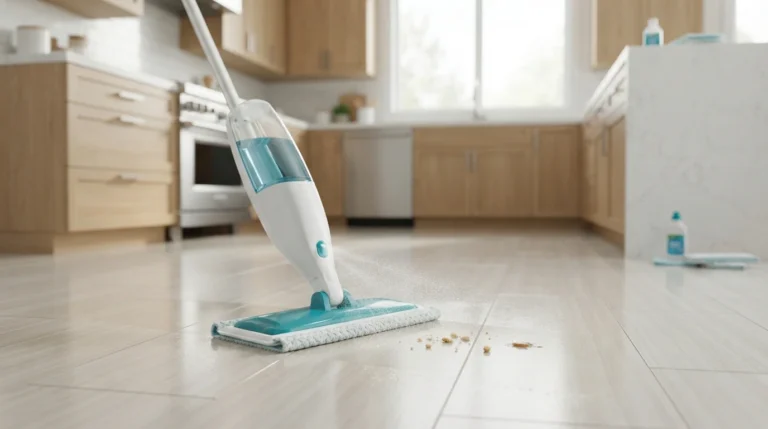
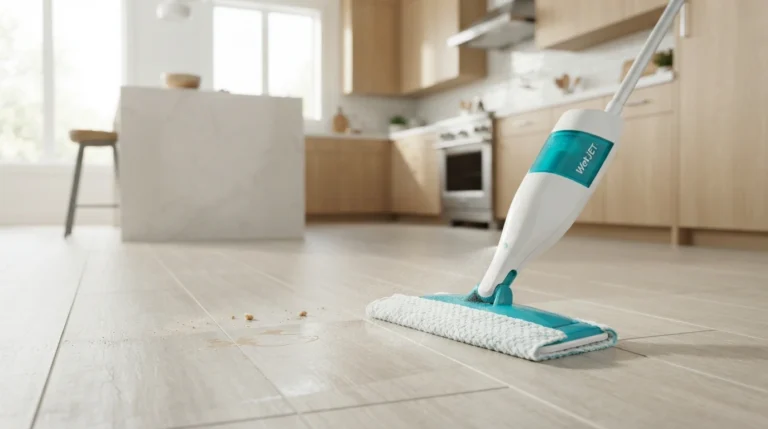
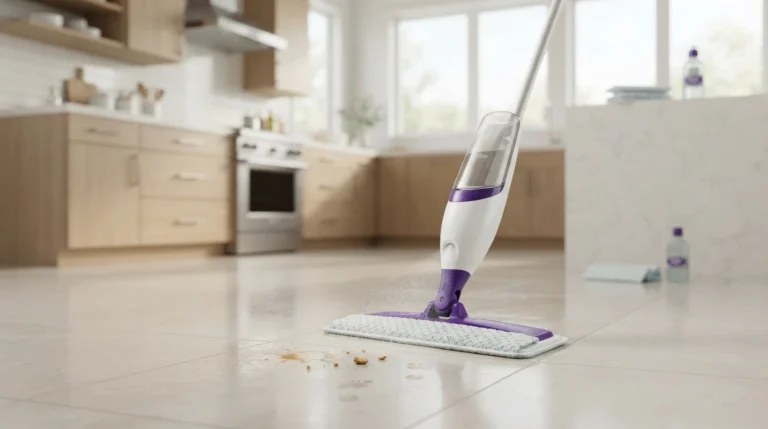
Swiffer Wet Pads are cleaning pads that are already wet and can be attached to a compatible Swiffer mop handle. They are different from dry sweeping cloths, since they are already loaded with a cleaning solution and you don’t need to have a separate bottle or bucket before you begin. They are one of several types of Swiffer floor cleaning pads—others being dry pads and spray pads such as Wetjet.
How Swiffer Wet Pads Work
The pad is attached bottom of mop head used same way you would use traditional wet mop, but instead of pouring mop solution water floor, cleaning moisture contained within the pad.
What Makes Them Useful for Everyday Floor Cleaning
The primary draw is how fast it will process. No bucket to fill, no solution to measure and no mop head to wring after. When it comes to cleaning up a spill quickly, that could be the difference between cleaning it up now, or cleaning it up later in the kitchen or at the front door.
How to Use Swiffer Wet Pads Correctly
Step 1: Prepare Swiffer mop. Make sure mop handle assembled mop head free of any leftover debris from previous use.
Step 2: Attach wet pad securely. Press pad onto mop head clicks or locks into place, following specific attachment method for your mop model.
Step 3: Sweep remove loose debris first. A quick sweep vacuum beforehand keeps larger particles from being pushed around rather picked up.
Step 4: Mop floor using steady movements. Work in manageable sections rather trying cover entire room one long pass.
Step 5: Replace pad becomes dirty. A pad that’s visibly soiled dried out won’t pick dirt effectively.
Step 6: Allow floor to dry appropriate. Give floor few minutes before walking on, especially higher-traffic areas.
Which Types of Floors They May Be Suitable For
Wet pads are typically used on hard flooring sealed surfaces like some finished hardwood, tile or laminate flooring. They are not, however, suitable for all types of floor. If delicate or untreated surfaces and/or water sensitive, they may respond negatively to moisture, so it is best to take care of the surface according to the manufacturer’s guidelines and the product packaging before incorporating wet pads into a regular routine.
Benefits of Using Wet Mop Pads
- No need for a bucket or a separate solution
- No washing is required for pad, as it’s thrown away after use.
- Easy to use for between deep cleanings for quick spot cleaning
- It’s not too bulky for storage and is a good size smaller than a full mop and bucket system.
How They Compare With Traditional Mopping
| Feature | Swiffer Wet Pads | Traditional Mop |
| Setup | Quick and simple | Requires bucket and water |
| Cleanup | Disposable pad | Mop needs washing |
| Convenience | Good for quick messes | Better for larger cleaning jobs |
| Storage | Easy to store | Requires mop and bucket space |
| Best use | Everyday spot and floor cleaning | Deep or larger-area cleaning |
How Much Dirt and Everyday Mess They Can Handle
The pads work reasonably well for light, everyday messes, such as dust, dried footprints, small spills. They are not designed for large-scale floors heavily soiled, and may be completely soaked before the job is done with a single pad.
When a Wet Pad May Not Be Enough
If there is sticky, caked-on dirt or if the floor has not been deep cleaned for some time, it may require more than one pass with a wet pad. In those instances, a regular mop and cleaning solution will be used, or changing multiple mops, to clean the floor thoroughly.
How to Get Better Cleaning Results
Take the trash out of the way before mopping, as the pad will not be scratching away at crumbs and dust on top of the dirt. It’s better to work section by section instead of trying to cover an entire floor with one pad, as this will produce more even results.
Tips for Storing and Using Wet Pads
Do not allow unused pads to dry out by keeping in their original packaging. Keep the mop in a dry place and do not leave a damp mop pad on the mop-head between cleanings.
Important Precautions and Surface Considerations
Do not use wet pads floor type clearly states cannot used on wet pads use pad any floor type did not seem to be a problem your home you installed other type of floor. If unsure, test a small, unobtrusive area first.
Are They Convenient for Busy Households?
It’s a no-brainer when you’re dealing with a lot of items at once: less set up means sooner cleanup of spills and light messes. However, using only wet pads, and no deeper cleaning method, will likely leave floors clean on the surface, but over time will fail to remove more stubborn dirt.
Common Questions Beginners May Have
Can you vacuum an entire home with one pad? Often more than one pad is needed, for larger spaces or heavier dirt.
Are the pads suitable for all hard floors? Not necessarily. Before use, always check compatibility with the specific kind of flooring.
Is it possible to use the same pad for more than one time? These are typically intended for one time use and then disposed of.
Conclusion
Swiffer wet pads are ideal for everyday spills and footprints, and can also be used on light floor grime, as you don’t have to set up a mop. For lighter spills or more frequent cleaning, they work well; for heavier spills and for cleaning more often, a traditional mop and bucket might get the job done better. Once you know what you’re working with, it is easier to make that decision.