
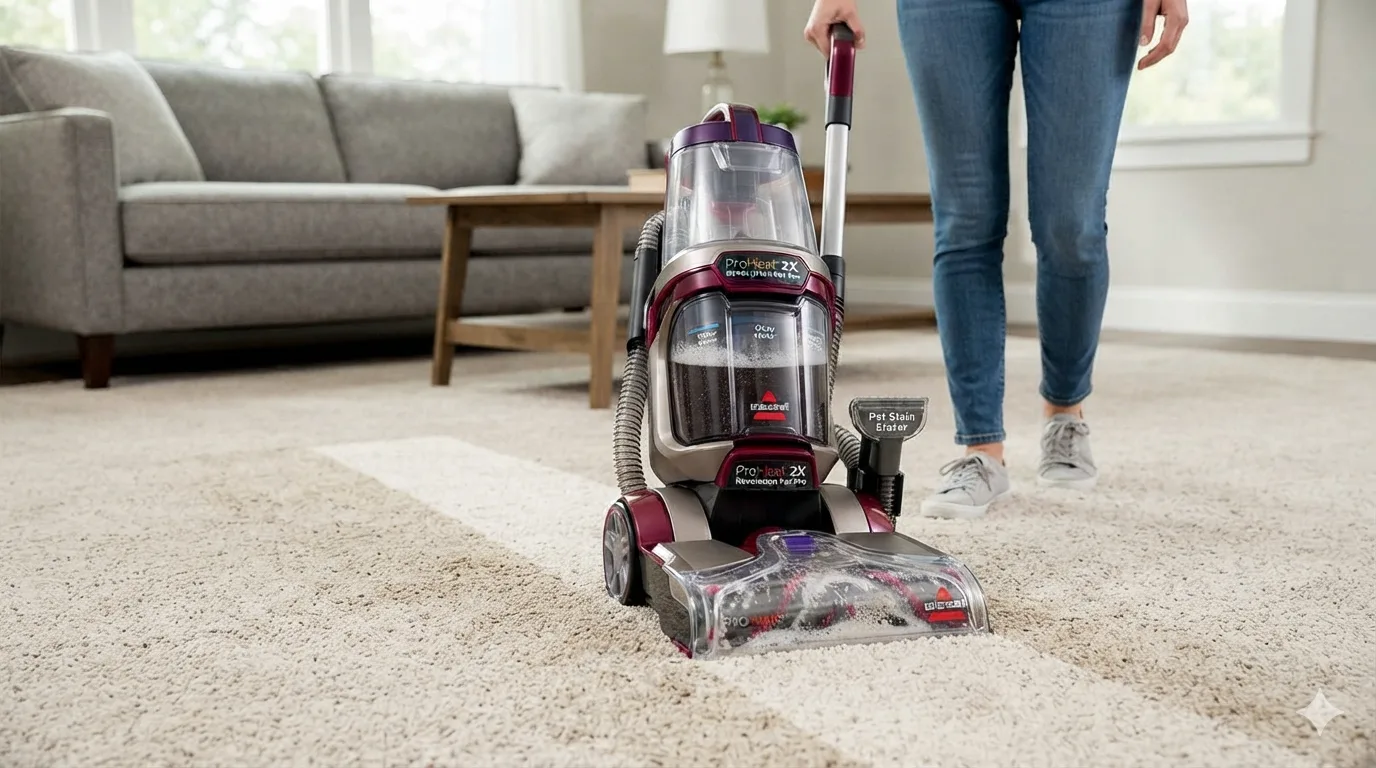
Bissell Vacuum: 8 Features Worth Knowing
A Bissell vacuum generally aims to balance accessible pricing with genuinely useful cleaning performance, making it a common choice for households that want reliable results without a premium price tag. Across the brand’s lineup, a few consistent design priorities show up across most models.
This guide covers what typically defines the Bissell approach, the features worth comparing between models, and a few tips for keeping any vacuum performing well over time.
Table of Contents
- What Sets a Bissell Vacuum Apart
- Common Vacuum Types in the Lineup
- Filtration and Allergy Considerations
- Choosing the Right Model for Your Home
What Sets a Bissell Vacuum Apart
Bissell’s vacuum lineup generally reflects the brand’s broader reputation for accessible, practical cleaning tools rather than premium, feature-heavy designs.
- A wide range of formats, spanning upright, canister, stick, and robot vacuums to suit different cleaning preferences.
- Pet-specific features on many models, including specialized brush rolls designed to reduce hair wrap and tangling.
- Reasonable pricing across most of the lineup, making the brand accessible to budget-conscious shoppers without sacrificing core performance.
- Straightforward maintenance, generally favoring accessible dust cups and washable filters over more complicated bagged systems.
This combination of variety and accessibility is part of why Bissell vacuums frequently show up in comparisons for households wanting dependable, everyday cleaning performance.
Common Bissell Vacuum Types in the Lineup
Because the lineup spans several formats, understanding the basic differences helps you narrow down which type actually fits your home.
- Upright vacuums offer strong suction and larger dust capacity, generally suited to homes with significant carpeted area.
- Canister vacuums provide more flexibility for varied surfaces and tight spaces, often preferred for homes with a mix of flooring types.
- Stick and cordless vacuums prioritize lightweight convenience for quick cleanups, though typically with smaller dust capacity than full-size models.
- Robot vacuums handle routine maintenance cleaning automatically, useful as a supplement to, rather than full replacement for, periodic deeper cleaning.
Matching the format to your home’s flooring mix and typical mess level matters more than simply choosing the most powerful option available. Many households actually benefit from owning two complementary types, such as a full-size upright for weekly deep cleaning and a compact stick vacuum for quick daily touch-ups, rather than expecting a single vacuum to handle every scenario equally well.
Filtration and Allergy Considerations
For households managing allergies or asthma, a vacuum’s filtration system is worth paying particular attention to, since poor filtration can potentially recirculate fine particles back into the air.
- HEPA filtration, found on many Bissell models, is designed to capture very fine particles that standard filters may not trap effectively.
- Sealed systems prevent air, and the particles within it, from escaping around filter edges rather than passing through the intended filtration path.
- Washable filters reduce long-term costs compared to models requiring frequent filter replacement, though they need regular cleaning to maintain performance.
- Bagged versus bagless design affects both convenience and how much dust escapes during emptying, with bagged systems generally containing dust more completely at disposal time.
If you’re weighing a traditional vacuum against a wet-dry hybrid for hard floors specifically, our Bissell CrossWave guide covers a combination vacuum-and-mop alternative worth considering.
Choosing the Right Bissell Vacuum for Your Home
A few honest questions about your home and cleaning habits help narrow down the right model before comparing specific features.
- What’s your primary flooring type? Homes with mostly carpet benefit from stronger upright suction, while mixed flooring often favors canister or versatile stick vacuums.
- Do you have pets? Pet-specific brush rolls and stronger filtration are worth prioritizing if shedding and pet hair are a regular concern.
- How much storage space do you have? Upright and canister vacuums require more storage room than compact stick vacuums.
- Does anyone in the household have allergies? Prioritizing HEPA filtration and a sealed system matters more in this situation than it might otherwise.
Frequently Asked Questions
Are Bissell vacuums good for homes with pets?
Many models include pet-specific features like specialized brush rolls designed to reduce hair wrap, making them a common recommendation for households with shedding pets.
What’s the difference between an upright and canister vacuum?
Upright vacuums generally offer stronger suction and larger capacity for carpet-heavy homes, while canister vacuums offer more flexibility for varied surfaces and tight spaces.
Does a Bissell vacuum need a HEPA filter for allergy relief?
HEPA filtration can help capture fine particles that standard filters may miss, which is worth prioritizing for households managing allergies or asthma, though it’s one factor among several affecting indoor air quality.
How often should I clean or replace my vacuum’s filter?
This varies by model, but checking washable filters monthly and replacing disposable filters according to manufacturer guidance helps maintain consistent suction performance.
Is a cordless stick vacuum powerful enough to replace a full-size vacuum?
For quick cleanups and smaller spaces, often yes, though full-size upright or canister vacuums generally offer stronger suction and larger capacity for whole-home, heavier-duty cleaning.
How do I know when it’s time to replace a vacuum rather than repair it?
If suction has noticeably declined even after cleaning filters and checking for blockages, or if repair costs approach a significant portion of a replacement’s price, it’s often more practical to upgrade to a newer model.
Conclusion
A Bissell vacuum generally earns its popularity through a practical combination of accessible pricing and genuinely useful features across a range of formats. Matching vacuum type, filtration, and pet-specific features to your actual home and cleaning habits will help you find the right fit. Whichever model you choose, keeping up with basic filter maintenance ensures it continues performing well for years of regular use, keeping your floors consistently clean without a lot of extra effort. A little research upfront, matched against your specific home layout and household needs, goes a long way toward a purchase you’ll be satisfied with for years, rather than one that ends up underused in a closet after the first few cleaning sessions.
One Comment