Clorox Disinfecting Wipes: When and How to Use Them the Right Way
Introduction
Just returned from the supermarket, you have all the groceries placed on the counter you just wonder if that counter needs attention before you can cook something on it for dinner. Clorox disinfecting wipes useful rush time constraints, don’t have time cleaning. They’re designed for quick surface maintenance, but they’re not quite as easy to use as you might think.
What Clorox Disinfecting Wipes Are
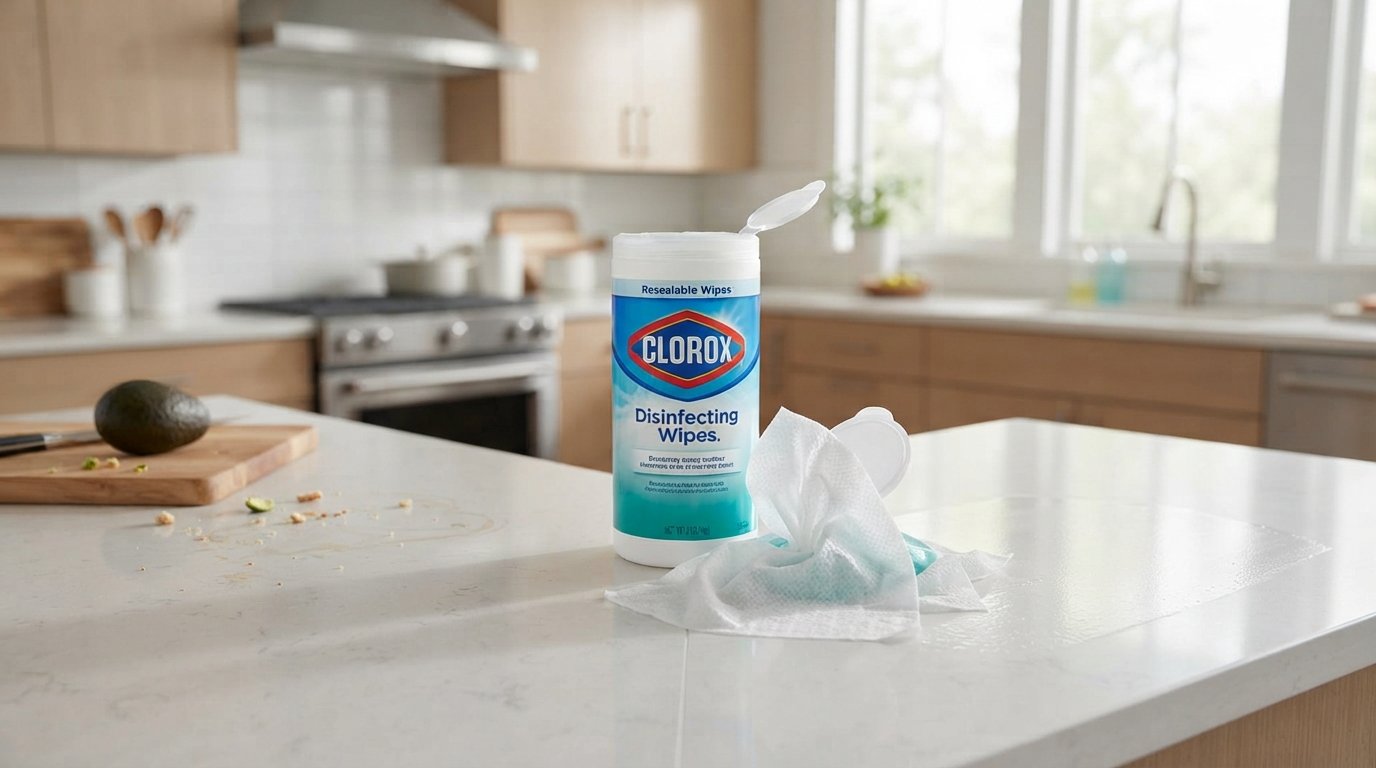
Clorox Disinfecting Wipes are wipes that are pre-moistened for the purpose of cleaning and, on many surfaces, disinfecting hard household surfaces. They come in a resealable container so that each time they need to be used there is a clean wipe ready to use instead of making a spray or picking up a cloth.
How Disinfecting Wipes Work
It is a wipe that contains a cleaning disinfecting solution that is transferred to the surface when the wipe is wiped. It is useful to remove dirt grime when cleaning in general. In order disinfecting effect, solution must contact surface for certain amount of time (the “contact time” specified on label.
What Makes Them Convenient for Everyday Cleaning
No preparation required. No diluting a concentrate, no going to get a clean rag, no rinsing anything after. This is especially important if you want a surface cleaned in a hurry, prior to cooking, after visitors have left the home, or between more thorough cleaning done on the weekend.
Common Surfaces Where They May Be Used
Common instances are:
- Furniture appliances like kitchen counters or stovetops
- Bathrooms sinks counter tops
- Shared work spaces desks
- Doorknobs, light switches, handles:
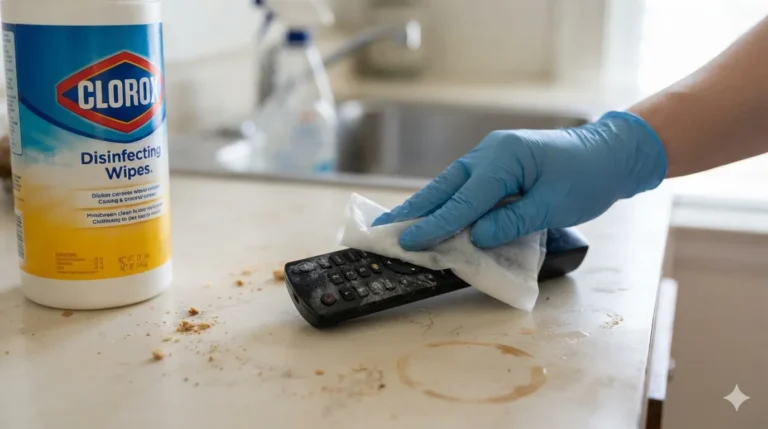
- Frequently used remote controls other objects.
How to Use Them Properly
Step 1: Remove visible dirt when necessary. Wiping over heavy debris first reduce well a wipe cleans disinfects surface underneath.
Step 2: Take out a fresh wipe. A wipe that’s dried out container won’t carry enough solution work effectively.
Step 3: Wipe the target hard surface thoroughly. Cover full area rather just the most obviously dirty spot.
Step 4: Keep the surface visibly wet for the label-specified contact time disinfection required. This is step most people skip, one actually determines whether disinfection happens.
Step 5: Allow the surface to dry or follow product label instructions. Some labels call for air drying; others may specify rinse step for certain surfaces.
Step 6: Dispose of the used wipe properly. Most wipes should trash, not down toilet drain, unless packaging says otherwise.
Difference Between Cleaning Disinfecting
Cleaning will remove dirt some germs from a surface. The disinfecting claim requires close adherence to the instructions on the label, especially to the contact time. Using the two interchangeably can result in contaminated surfaces that appear to be clean, but haven’t been disinfected as intended by the product.
Benefits of Using Disinfecting Wipes
- Ready to use with no setup
- Great for providing quick cleaning attention to frequently used surfaces
- Compact and convenient to keep by a kitchen, bathroom or entryway
- Only used once, may not spread dirt between surfaces.
Situations Where Wipes Are Especially Convenient
The format is good in many situations, like wiping down the countertop before preparing food, cleaning the bathroom sink between deep cleanings, or cleaning the desk before another person uses it. They don’t work as well in large areas, as it becomes difficult to cover enough area with a sufficient number of wipes.
Limitations of Disposable Disinfecting Wipes
- Correct contact time is important for disinfecting to be effective
- Not suitable for all surfaces/materials.
- The ongoing cost of disposable with spray bottle versus cloth and spray bottle
- Not a replacement for more thorough cleanings on heavily soiled areas
How to Get Better Results When Disinfecting Surfaces
Avoid applying one wipe to a large area using more than one to a small area to maintain the proper contact time maintain a moist surface. Another advantage of the timing process is that it will help to make sure that the requirements of the label are actually being met — as opposed to just guessed.
Safe Storage and Handling Tips
Ensure container kept closed between each use prevent wipes from drying out. Keep them out of the reach of children, out of the direct heat of an appliance not lying around where they might be confused with another object.
Important Precautions Users Should Know
Combining disinfectant wipes residue other chemicals, bleach, ammonia, other chemicals, hazardous. Never use wipes on skin, food or other surfaces unless label says, wash your hands afterwards.
How They Compare With Sprays or Traditional Cleaning
| Feature | Disinfecting Wipes | Cleaning Spray |
| Application | Ready-to-use wipe | Requires spraying |
| Convenience | Quick for small areas | Useful for larger areas |
| Cleanup | Used wipe is discarded | May require a cloth |
| Portability | Easy to carry | Less convenient to carry |
| Best use | Quick surface cleaning and disinfection | Larger cleaning jobs |
Frequently Asked Questions
Are the wipes immediately disinfected?
No — disinfection is usually dependent on leaving the surface visibly moist for the duration specified on the label.
Is it okay to wipe multiple surfaces same wipe?
With a clean wipe, generally better wipe a new surface rather same wipe used for soiled surface, particularly after cleaning soiled surface.
Can you use any Clorox wipe products?
Not necessarily. Please consult the specific product’s label for approved uses surfaces.
Conclusion
When used as directed, Clorox disinfecting wipes provide a truly convenient means of keeping common surfaces clean and, if used properly, disinfected.
The key to using them to best effect is to read the label for your individual product, ensuring that the surface is right for the product in question, giving them the time to work, not assuming that a quick wipe is a job that has been done. When combined with other cleaning strategies for larger jobs, they can be a useful addition to your daily cleaning regimen.